7 June 2026 · 6 min
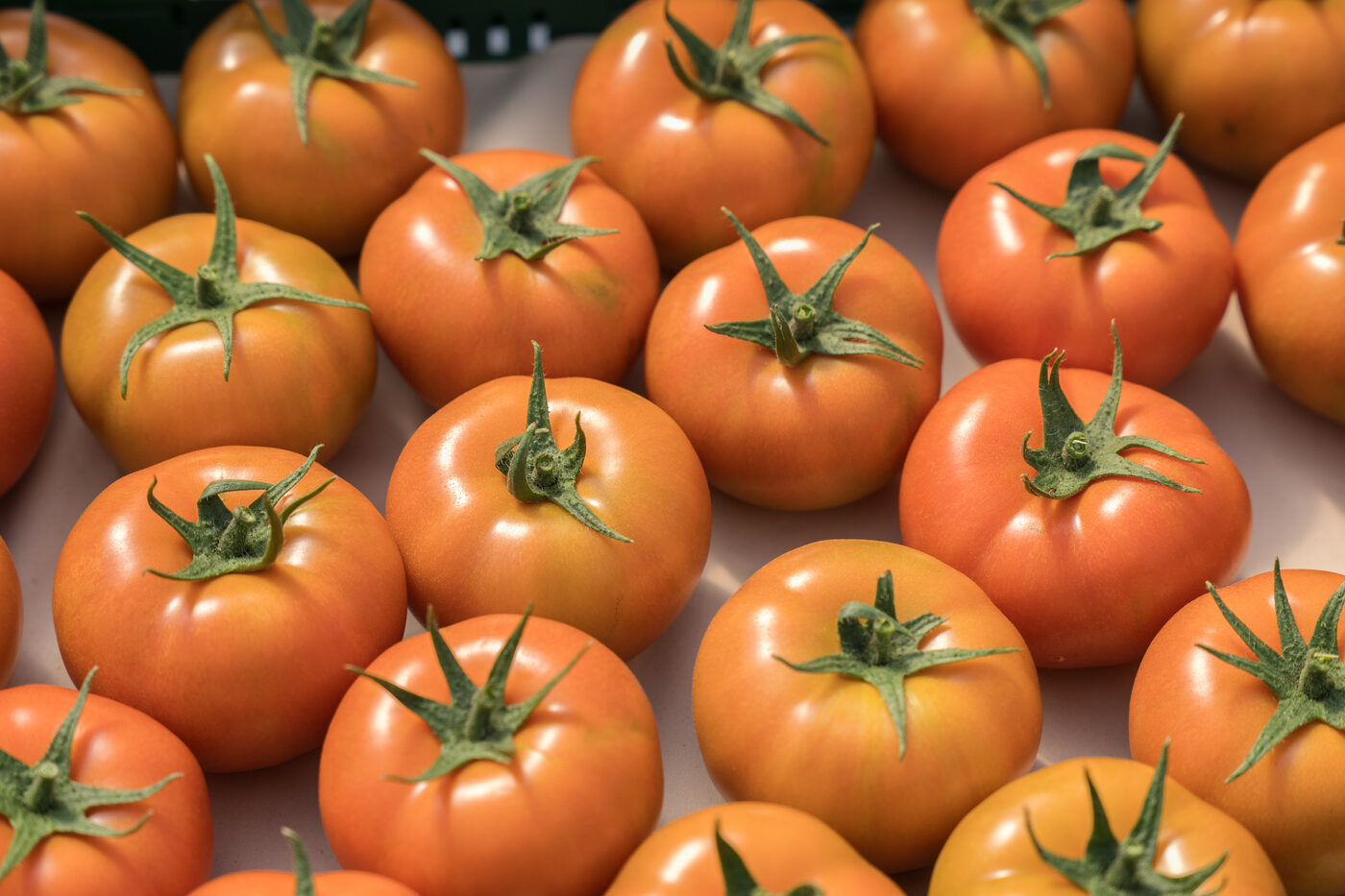
More and more brands want to show the origin of what they sell. The product on the shelf is no longer enough — consumers want to know who produces it, how and where. That's the story we set out to tell for Pingo Doce's Sabe Bem magazine, in its Producers feature: a greenhouse tomato farm in Portugal's Oeste region.
Agri-food reportage photography has a golden rule: no staged scenes. Our job is to document what actually happens — the grower walking the rows of tomato plants, hands checking the ripeness, the repeated gesture of the harvest. That authenticity is what makes branded content credible.
One of the most interesting moments of this job was the pollination good practices. Instead of artificial processes, the greenhouse uses bumblebees to naturally pollinate the tomato flowers. Photographing this detail — small, technical, yet central to the sustainability of the operation — is the kind of nuance that gives a reportage real depth.
Then there's variety. Vine tomatoes, cherry tomatoes, different sizes and colours — showing the diversity of varieties is also showing the care and knowledge behind the production. The greenhouse's natural light helps: it gives the fruit vivid colour without heavy artificial lighting.
And there's the industrial, technological side that's often overlooked. The sorting warehouse, the crates being prepared, the technology and traceability that ensure every tomato is tracked from plant to point of sale. Documenting this part shows the rigour and modernity of a production that looks simple but isn't.
In the end, we deliver a set that tells the full chain — from flower to fruit, greenhouse to warehouse, people to technology. It's exactly the kind of visual narrative a brand magazine, an origin campaign or a sustainability report needs. Agri-food reportage photography, made on the ground, in Portugal.
Keep reading