17 June 2026 · 5 min
▶
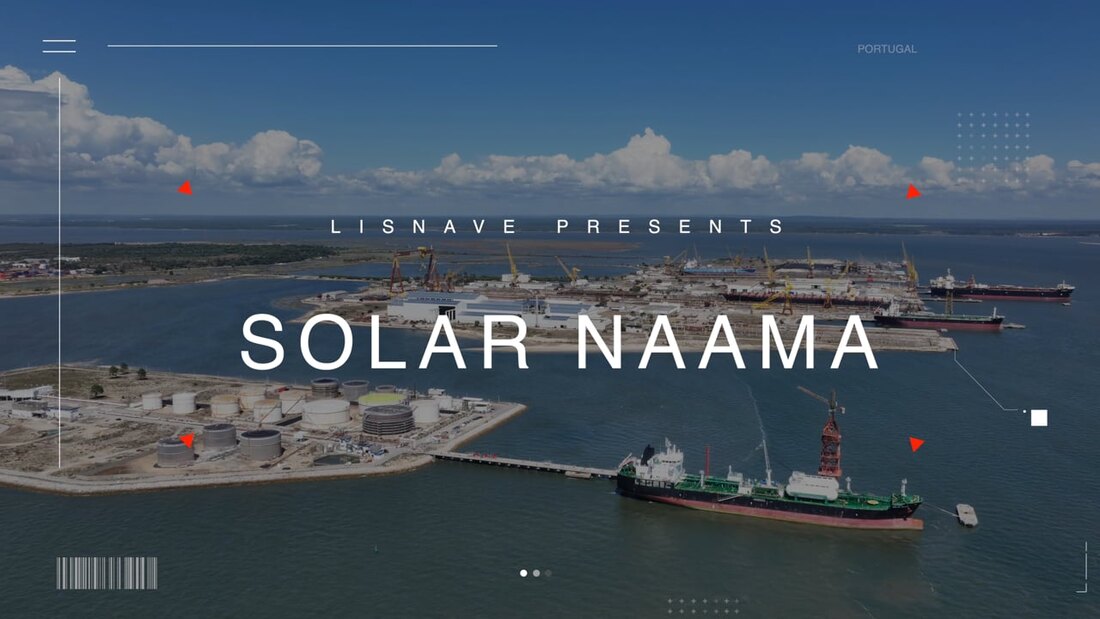
Making a naval ship repair video at a shipyard like Lisnave, in Setúbal, is above all an exercise in time. A ship enters dry dock looking one way and leaves looking another — same hull, different ship — and that transformation doesn't happen on office hours. It happens day and night, over weeks. In the video I made for Lisnave about the Solar Naama, the only way to tell the story properly was to film the operation around the clock, whenever each stage demanded it.
Ship repair doesn't stop when the sun goes down. Crews work in shifts, some stages only advance at night, and there's light — the shipyard floodlights, the vessel lit against the Sado river — that exists only at that hour and gives the video a charge daylight never could. Being available to shoot at any time, and knowing how to read when each moment is worth it, is what separates an industrial record from a film the client is proud to publish.
To compress weeks of work into seconds, I used timelapses. It's the right tool to show what the human eye can't follow: the dock emptying, scaffolding rising around the hull, the ship gaining fresh paint, the constant movement of the shipyard around it. A well-planned timelapse — fixed camera, controlled exposure, hours of capture for a few seconds of final footage — turns the slowness of ship repair into a sequence with rhythm and impact.
The aerial work was done with two different drones, and that's a deliberate choice, not a technical footnote. Each has distinct creative capabilities: one delivers the wide, stable, cinematic shots that show the scale of the shipyard and the vessel in dock; the other goes where the first can't, with more agile, close movement, passing by the bow, between structures, following the action at hull level. Having more than one tool in the air means the final video is richer and better suited to what the client wants to show — I'm not limited to a single type of shot.
In the end, all this effort — the 24/7, the timelapses, the two drones — serves one thing: telling the transformation. The Solar Naama's narrative is the ship arriving, the work that happens on it in dry dock, and a renewed vessel leaving. Each technique works in service of that story, not the other way around. That's the difference between piling up pretty images and delivering a film with a beginning, middle and end.
If you run a shipyard, a shipowner or an industrial operation and need a naval ship repair video that captures the true scale and rhythm of the work — with the availability to film day and night, timelapses and aerial coverage with different drones — get in touch. I've been shooting industrial photography and video at Lisnave and in Setúbal for several years.
Keep reading
9 July 2025 · 5 min
International corporate event photography: Actemium Directors' Days in Lisbon
Read article
17 June 2026 · 4 min
Naturcôa: two days photographing a nature event in Sabugal
Read article
17 June 2026 · 4 min